
During virtual driver training in Ottawa sessions, you can expect an interactive digital classroom experience led by certified instructors. Your training covers essential Ontario road rules, defensive strategies, and visual hazard recognition. This comprehensive format blends streaming group discussions with independent, self-paced modules to ensure you are completely prepared for regional road tests. Embarking on your driving journey in Ontario no longer requires sitting for hours in a rigid, stuffy classroom. Modern remote driver education in Ottawa has transformed how beginners learn to navigate the road safely. Transitioning to a digital environment allows you to absorb complex safety concepts from the comfort of home, matching the busy schedules of modern students and working professionals. Whether you are prepping for a G1 test or building theoretical knowledge for the highway, digital platforms provide an engaging pathway toward becoming a licensed driver. Who Can Benefit from Remote Classrooms? This flexible approach serves a diverse range of learners across the Capital Region. High school students balancing part-time jobs, Carleton University or University of Ottawa undergraduates, and adults looking to build driving confidence all thrive in this setting. It offers a calm, low-pressure atmosphere where nervous beginners can master right-of-way laws before ever touching a steering wheel. How Virtual Driver Training Works Understanding how virtual driver training works helps remove the mystery from digital learning. Instead of simple text documents, modern online driver training in Ottawa uses advanced learning management software to create an active, immersive classroom space. The Connected Digital Environment Students log into a secure web portal to access multimedia lessons, live video scenarios, and real-time interactive chats. This infrastructure ensures you are never isolated while working through your curriculum. Instructor-Led Learning vs. Self-Paced Modules Courses perfectly balance real-time mentorship with independent study. Certified professionals lead structured video calls to explain complex maneuvers, while interactive quizzes let you review challenging traffic scenarios at your own pace. Engagement Expectations To satisfy provincial attendance standards, you must remain active. Instructors verify your participation through automated knowledge checks, live feedback polls, and open group discussions. What Happens in Online Driving Lessons? The curriculum is engineered to build deep safety habits before your practical physical training begins. When looking closely at what happens in online driving lessons, the educational focus remains fixed on real-world accident prevention. Traffic Rules and Road Signs: Complete mastery of Ontario regulatory, warning, and temporary condition signs. Defensive Driving Concepts: Learning the standard “IPDE” process (Identify, Predict, Decide, Execute) to handle evolving hazards. Hazard Perception Training: Analyzing real dashcam footage to spot unfolding risks on municipal streets or the Queensway (Highway 417). Licensing Requirements: Step-by-step guidance on managing the graduated licensing system from G1 to an unrestricted G license. MTO-Approved Online Driving Courses Enrolling in MTO-approved online driving courses is critical for legal validation. The Ministry of Transportation oversees these certified programs to guarantee they meet rigorous provincial safety benchmarks. Completing an approved course registers your graduate file directly with the province, unlocking vital structural advantages. For example, a certified graduate can take their G2 road test at local facilities like the Walkley Road or Canotek Road DriveTest centres in just 8 months instead of the standard 12. Additionally, completing this framework makes you eligible for substantial automotive insurance discounts. To secure these official benefits, we highly recommend registering for the Online BDE Course Ottawa provided by Ottawa Drivers, which perfectly blends government-certified digital theory with experienced in-car instruction. Benefits of Virtual Driving Classes The clear benefits of virtual driving classes explain why thousands of local learners choose digital paths every year. Eliminated Commute Times: You do not have to spend hours riding OC Transpo buses out to physical suburban commercial spaces. Total Geographical Accessibility: Perfect for residents in outlying communities like Kanata, Orleans, or Stittsville who want premium instruction without long travel times. Optimized Cognitive Retention: Studying in short, focused blocks prevents information overload, keeping your focus sharp. Preparing for Virtual Driver Education Sessions Achieving top marks requires proper preparation before your first digital session begins. Follow these structural setup steps to secure smooth progress: Hardware and Network Requirements A dependable high-speed internet connection is mandatory to stream live instructional video blocks without buffering. Make sure your laptop, desktop computer, or tablet has a functional webcam and clear microphone for mandatory discussion interactions. Time Management and Material Readiness Establish a quiet, distraction-free study space away from noise. Keep the Official MTO Driver’s Handbook open nearby, take detailed notes, and break your study time into manageable 45-minute intervals to maintain peak focus. Mapping Your Remote Training Journey Training Component What Students Learn Benefit Real-World Application Interactive Video Modules Intersection right-of-way laws Clear spatial comprehension Navigating complex roundabouts in Orleans Live Instructor Reviews Advanced defensive scanning Direct expert feedback Spotting erratic pedestrian movements downtown Digital Practice Quizzes G1 sign and rule verification Eliminates testing anxiety Passing the official knowledge test smoothly Hazard Analysis Drills Space cushion management Proactive risk reduction Merging safely onto the busy Highway 417 According to official safety reports from the Traffic Injury Research Foundation (TIRF), comprehensive, structured beginner driver education programs significantly reduce traffic violations and crash rates among novice drivers. This statistical proof underlines why deep theoretical preparation is so valuable. Choosing the Right Online Driver Training Program Not all virtual platforms offer the same level of quality. When choosing an online driver training program, prioritize schools that display transparent instructor credentials, prompt customer service, and an easy-to-use digital platform. Choosing the premier Online BDE Course Ottawa at Ottawa Drivers guarantees you receive top-tier, Ministry-aligned digital learning paired with supportive behind-the-wheel coaching. Common Mistakes Students Make During Virtual Driver Training Treating Lessons Too Casually Many learners treat virtual modules like passive entertainment, leading to failed quizzes. Solution: Treat every online module like an in-person exam. Turn off phone notifications and take comprehensive notes. Operating with a Subpar Internet Setup Unstable wireless networks lead to frustrating audio drops and missed explanations. Solution: Test your system speed beforehand and connect via an ethernet cable if your Wi-Fi fluctuates. Keeping

- by By Jawad
The Complete Guide to Choosing an Online Drivers Ed Course in Ottawa
The best way to choose an online drivers ed course in Ottawa is to verify MTO approval and check certified instructor support. Learners should look for comprehensive curriculum coverage, highly positive student reviews, self-paced learning flexibility, and valid drivers ed certification to ensure insurance discounts and test readiness. Entering the world of driving is an exciting milestone, but navigating the academic side of driver licensing can feel overwhelming. Selecting a high-quality online drivers ed course in Ottawa is the key to gaining confidence without classroom stress. Traditional options often force students into rigid evening schedules, but modern virtual driver training platforms offer a convenient alternative. With an accredited online driving school in Ottawa, you can study the rules of the road from the comfort of home. This guide explains how virtual driver education in Ontario prepares you for first-time road test success. Understanding Online Driver Education Digital driver training is more than just reading an electronic manual on a screen. Taking an online drivers ed course in Ottawa means engaging with structured modules, interactive video scenarios, and quizzes designed to mimic real road challenges. As digital education continues to expand in Canada, online platforms have become highly popular for their ability to present visual road simulations. This modern method allows learners to review complex right-of-way rules at intersections multiple times before taking the wheel. Who Should Take Virtual Driving Courses? These courses are perfect for active high school students, busy Carleton University and University of Ottawa students, and working adults who cannot commit to weekend classroom blocks. Nervous beginners also benefit greatly, as they can learn safety theories in a quiet, low-pressure environment before starting behind-the-wheel lessons. Benefits of Online Driver Education The advantages of studying driving theory digitally are extensive. One of the main benefits of online drivers education is the elimination of commute times to physical classrooms. Rather than spending hours traveling across town on OC Transpo buses, you can access your course material from a laptop or smartphone. This makes learning highly accessible for individuals living in surrounding suburbs like Orleans, Kanata, or Stittsville, where local transit to physical classrooms may take longer. Self-Paced Convenience and Comfort With self-paced studies, you have complete control over your learning speed. If you need more time to study the details of Ontario parallel parking laws, you can spend an hour on that single module. Conversely, if you understand road signs quickly, you can advance through that section at a faster pace, ensuring you remain engaged and motivated throughout the learning process. How to Choose the Right Online Driving School Not all digital driving schools are created equal. When researching how to choose driving school online providers, you must look beyond flashy graphics. Start by checking the provider’s history, their customer feedback, and the quality of their digital platform. A reputable online school will offer seamless technical support and a clear course pathway. Validating MTO-Approved Driving Courses Online The most crucial step in your research is verifying MTO approval. Selecting MTO-approved driving courses online guarantees that the program meets the strict safety standards set by the province. Furthermore, completing an approved course is the only way to earn your official drivers ed certification in Ottawa, which is recorded directly with the Ministry of Transportation. By registering in a government-endorsed Online BDE Course in Ottawa, you can ensure your educational records are processed correctly for your G2 road test. The Crucial Legal Requirements in Ontario (H4) Under Ontario regulations, completing an official Beginner Driver Education (BDE) program allows you to take your G2 road test in just eight months instead of twelve. It also makes you eligible for significant car insurance discounts, which can save you hundreds of dollars annually. Cost of Online Drivers Ed Courses Understanding the average cost of online drivers ed courses helps you plan your educational budget. Most comprehensive packages in Ontario range between three hundred and eight hundred dollars. This price typically includes the mandatory twenty hours of online theory, ten hours of digital home study, and ten hours of in-car practical instruction with a certified professional. Beginner Driver Training Programs Ottawa Options High-quality beginner driver training programs Ottawa schools provide are structured to balance academic concepts with in-car practice. This balanced approach ensures that you do not just memorize signs for the G1 written test, but understand how to apply safe scanning habits when executing left turns on busy municipal roads or merging onto Highway 417 (the Queensway). Certified Online Driving Courses in Ottawa Transitioning from online lessons to practical driving requires experienced instruction. To master the local road network and build lasting confidence, we highly recommend registering in the Online BDE Course in Ottawa offered by Ottawa Drivers. This certified program seamlessly connects your virtual e-learning modules with safe, structured in-car lessons. By working with their patient driving coaches, you receive personalized feedback on your lane positioning and defensive habits. This combined approach ensures you are fully prepared for Ontario’s challenging road tests at local testing facilities like the Walkley Road DriveTest Centre or the Canotek Road DriveTest Centre. Online Course Comparison Chart Online Course Feature Benefit Importance Best For Self-Paced E-Learning Complete modules anywhere High flexibility Busy high school students MTO-Approved Curriculum Qualifies for insurance discount Critical for license speed First-time teen drivers Certified Digital Quizzes Tests road rules knowledge Prepares for G1/G2 tests Visual and conceptual learners Integrated In-Car Lessons Connects theory with road practice Essential safety mastery All beginner drivers Tips for First-Time Online Learners To succeed in virtual learning, you must establish a consistent study routine. Set aside thirty minutes each day to complete one module rather than cramming the entire curriculum in a single weekend. Active studying and taking practice quizzes will reinforce your road rules memory. According to the Traffic Injury Research Foundation (TIRF) in Canada, structured driver education reduces crash rates among young drivers by up to 15 percent. For official Ontario licensing guidelines, you can consult the Ministry of Transportation Ontario website to stay updated on legal requirements.
- by By Jawad
Driving Test Tips Ottawa: Insider Secrets from Certified Instructors
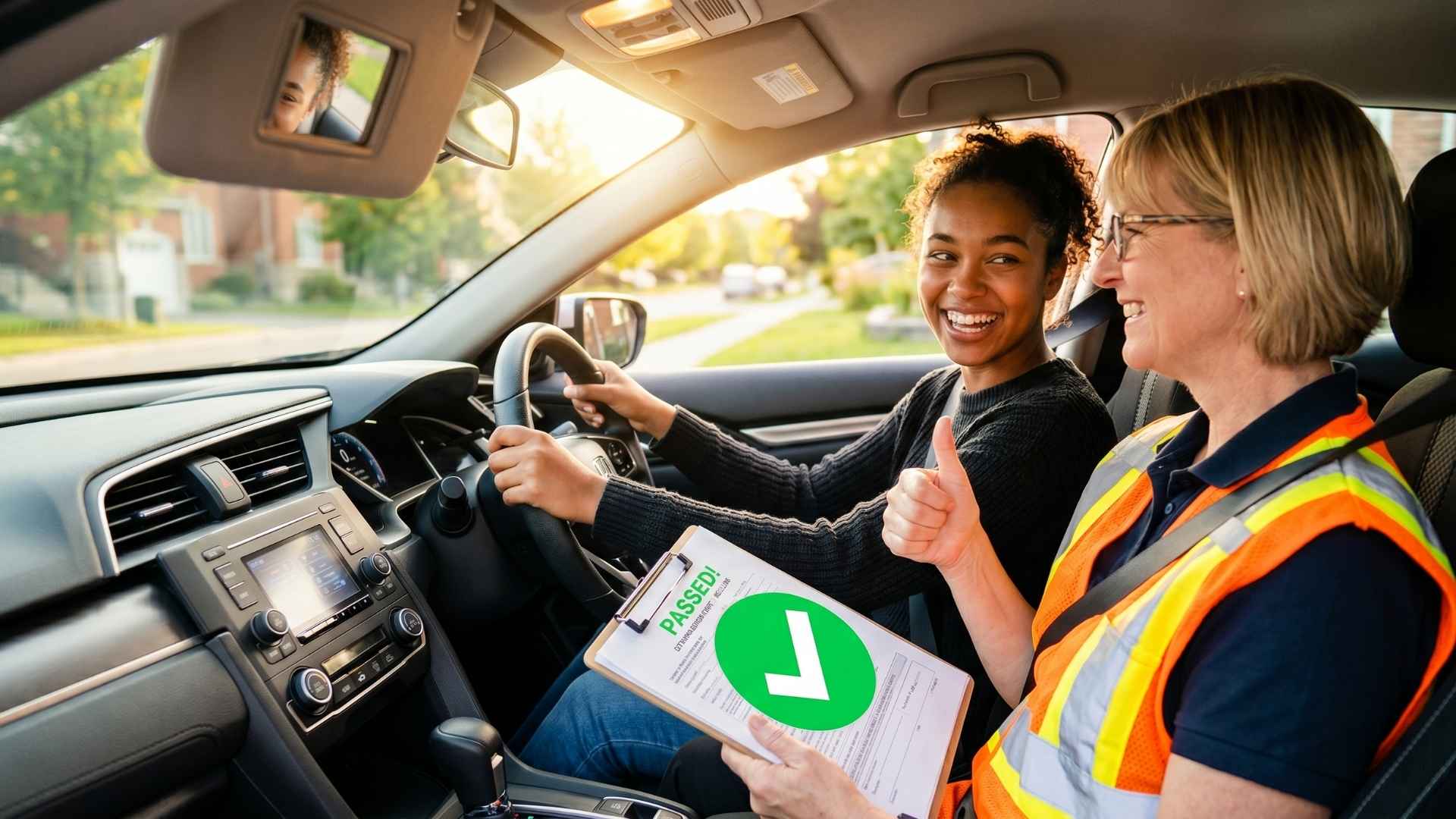
To pass your road test on the first attempt, the best driving test tips Ottawa instructors suggest are performing complete stops, scanning intersections frequently, and mastering parallel parking. Success requires applying defensive driving techniques, maintaining legal speed limits, and building confidence through certified mock examinations. Earning your driver’s license in Ottawa is a major milestone, but passing the road exam can feel daunting. Utilizing expert driving test tips Ottawa instructors suggest can dramatically improve your performance. Understanding examiner expectations and avoiding critical errors helps you transform test-day anxiety into calm, competent vehicle control. Understanding the Ottawa Road Test Journey Provincial Standards and Examiner Expectations Preparing for the Ontario graduated licensing system requires structured behind-the-wheel practice. Relying on G2 driving test tips Ontario candidates trust is essential because the DriveTest evaluation is rigorous. Examiners assess your ability to handle diverse conditions, including suburban streets and busy multi-lane parkways. According to Ontario statistics, many fail due to preventable errors. Applying professional driving test tips Ottawa certified instructors teach early helps you build safe habits. During the evaluation, the primary examiner expectations during road test trials include how well you monitor blind spots, maintain vehicle control, and react to hazards under the Highway Traffic Act. How to Pass Driving Test on First Attempt Effective Practice and Confidence Building Learning how to pass driving test first attempt relies on structured behind-the-wheel experience. Mock tests with a certified instructor replicate the actual exam environment at local hubs like the Walkley Road or Canotek Road DriveTest centres. Structured preparation using professional Ottawa road test preparation tips ensures you master maneuvers like the three-point turn and roadside stops, turning them into automatic habits before your test date. Mental preparation is also crucial. Treat the examiner as a co-pilot rather than a judge, and focus entirely on the roadway. Visualizing a successful drive and being well-rested improves focus. Confidence comes from practicing defensive driving techniques for test routes until they feel second nature. Common Driving Test Mistakes Ottawa Candidates Make Critical Vehicle Control and Scanning Errors Many candidates fail because they overlook basic safety rules. Understanding common driving test mistakes Ottawa applicants repeat and following proven driving test tips Ottawa experts share allows you to focus final practice sessions on high-risk areas. The Danger of Rolling Stops A frequent reason for an immediate test failure is the rolling stop. When approaching a stop sign or turning right on a red light, your vehicle must come to a complete, absolute stop behind the marked stop line or crosswalk. A rolling stop indicates you are rushing and not scanning for crossing pedestrians or cyclists. Improper Mirror Checks and Blind Spot Monitoring Failing to show active observation is a major scoring deduction. You must check your rearview mirror every five to eight seconds and perform shoulder checks into your blind spots before any lane change, turn, or merge. Examiners look for a distinct physical head movement, not just a quick glance, to verify you are actively monitoring your blind spots. Speed Control and Poor Lane Discipline Maintaining correct speed is a delicate balance. Driving over the posted speed limit is an automatic fail, but driving significantly below the limit also indicates a lack of confidence and disrupts traffic flow. Poor lane discipline, such as wandering within lanes or failing to signal before lane changes, will also result in lost marks. Parallel Parking Tips for Road Test Success Step-by-Step Alignment and Reverse Maneuver For many applicants, parallel parking is the most stressful part of the G2 or G road exam. Mastering parallel parking tips for road test scenarios will ensure you secure these essential marks on your evaluation sheet. Start by signaling early and positioning parallel to the parked vehicle with a one-meter gap. Align your rear bumper, shift to reverse, and steer toward the curb at a 45-degree angle. Once your passenger-side mirror clears their rear bumper, straighten the wheel and reverse. When close to the curb, steer opposite to bring the front end in. Center your vehicle, shift to park, and secure the emergency brake. Ottawa Road Test Evaluation Matrix Test Area Common Mistake Correct Action Examiner Focus Intersection Rolling stops Stop fully behind the line Pedestrian safety Lane Changes Missing blind spot checks Perform shoulder scan Active observation Speed Speed variance Maintain legal limit Safe traffic flow Parallel Park Hitting the curb Use reference points Spatial awareness Professional Driving Lessons in Ottawa While self-practice is important, professional instruction from an MTO Approved Driving School in Ottawa is the most reliable way to guarantee success. Enrolling in a certified beginner driver education program at an MTO Approved Driving School in Ottawa provides personalized feedback on your driving test tips Ottawa performance. Instructors identify mistakes like improper hand-over-hand steering or inadequate intersection scanning and correct them before they become hard habits, giving you the skills needed to navigate complex intersections safely. Defensive Driving and Pre-Test Day Preparation Demonstrating a defensive mindset is key to impressing your examiner. Maintain a safe following distance of at least three seconds behind the vehicle ahead, increasing this gap in rain or winter snow. Anticipate hazards by scanning the road far ahead and adjusting your speed smoothly. To learn more about provincial safety standards, consult the official Ontario Ministry of Transportation portal. These defensive strategies prove you prioritize safety and are prepared for independent driving on Highway 417. Frequently Asked Questions What are the best driving test tips in Ottawa? The best driving test tips Ottawa instructors suggest are practicing defensive driving, performing complete stops at red lights, scanning mirrors every five to eight seconds, and completing mock exams at your local DriveTest center before the test. How can I pass my G2 road test on the first attempt? To pass your G2 road test, focus on maintaining proper speed control, performing continuous blind spot checks, and following G2 driving test tips Ontario instructors emphasize, such as maintaining a safe three-second following distance. What mistakes should I avoid during a driving test? You should avoid common driving

- by By Jawad
Downtown Driving Ottawa: Tips for Navigating Busy City Streets
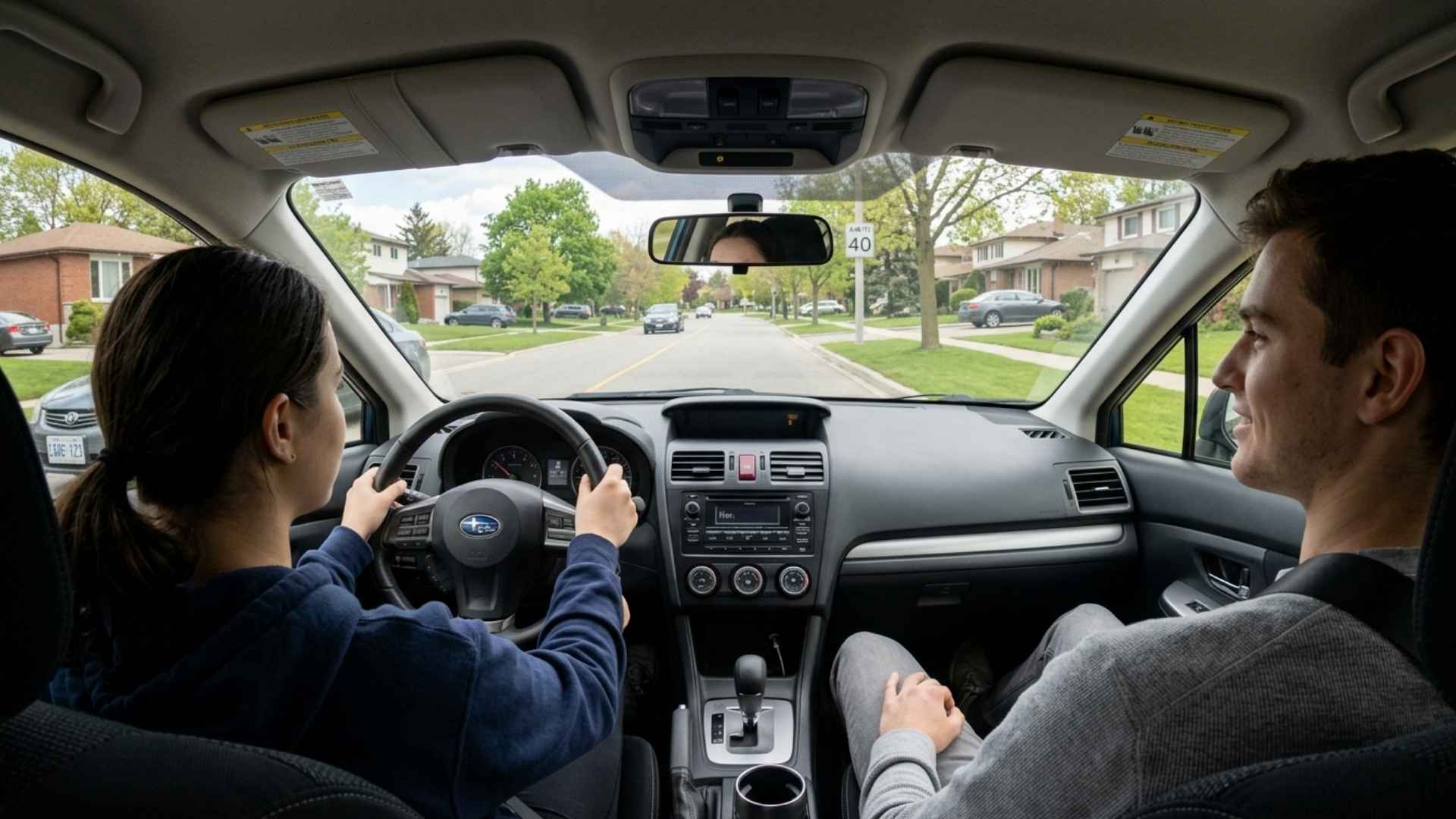
The best strategies for safe downtown driving in Ottawa include maintaining high situational awareness, scanning intersections for pedestrians and cyclists, and mastering defensive driving. Staying calm during traffic congestion, planning routes to avoid construction, and practicing parallel parking are essential for navigating the city core efficiently and safely. Navigating the bustling streets of the National Capital Region requires more than basic car control. Downtown driving Ottawa presents unique challenges that can overwhelm even experienced motorists. From the narrow lanes of the ByWard Market to the one-way systems near Parliament Hill, urban driving demands constant focus. Understanding why urban driving skills are important is the first step toward becoming a confident motorist. This guide provides the Ottawa urban driving tips you need to conquer the city core. The Unique Challenges of Ottawa Urban Driving Driving in downtown traffic Ottawa is different from cruising through quiet suburbs like Kanata. The density of vehicles and city infrastructure creates a high-pressure environment for every driver. Navigating Heavy Traffic Congestion Handling traffic congestion in Ottawa is a daily reality. During peak hours, major thoroughfares like Elgin Street and Bank Street become significant bottlenecks. You must account for OC Transpo buses that require frequent stops. To manage this, stay patient and avoid aggressive lane changes. Anticipating slow-downs allows you to adjust your speed gradually, reducing the risk of minor fender-benders near the Rideau Centre. The Maze of One-Way Streets Ottawa’s core is famous for its network of one-way streets. Missing a turn on Metcalfe or O’Connor can lead to long detours through heavy traffic. Keeping your vehicle centered and checking side mirrors frequently is vital for avoiding contact with parked cars. Always watch for signage near the National Arts Centre to ensure you stay on the correct path. How to Drive Safely in Busy City Streets Safety is the priority when navigating any urban landscape. Knowing how to drive safely in busy city streets involves a combination of technical skill and a proactive mindset. Mastering Defensive Driving in Urban Areas Defensive driving in urban areas means expecting the unexpected. Maintain a safe following distance of at least three seconds. Scanning two blocks ahead allows you to spot hazards, such as delivery trucks or amber traffic lights, well in advance. Anticipating Sudden Stops In the core, vehicles like OC Transpo buses and taxis often stop without warning. Avoiding distractions like mobile phones is crucial because a split-second delay in braking can result in a collision. This approach aligns with Vision Zero safety goals to reduce road fatalities in Ontario. Pedestrian and Cyclist Awareness Driving Ottawa is walkable with an extensive network of bike lanes managed by the NCC. Drivers must share the road with many vulnerable users. Pedestrian and cyclist awareness driving is a legal requirement with significant penalties for non-compliance. Sharing the Road Safely When turning right, always perform a shoulder check for cyclists. Yielding to pedestrians at crosswalks is mandatory under the Ontario Highway Traffic Act. According to Transport Canada, urban areas account for nearly 75 percent of all collisions in Canada. For more details, visit the Transport Canada Road Safety website. Professional City Driving Lessons Ottawa Many drivers find the city core intimidating. Enrolling in city driving lessons Ottawa provides the hands-on experience needed to build confidence. A professional instructor can teach you how to read complex signs and manage high-stress situations. To master these complexities, we suggest choosing an MTO-Approved Driving School Ottawa like Ottawa Drivers to receive expert, hands-on training. This school offers structured programs covering everything from basic control to advanced defensive strategies. By investing in professional training with their experts, you become a safer driver and may qualify for lower insurance premiums. Their instructors can help you master the local road network nuances and build lasting confidence behind the wheel. Essential Parallel Parking Tips Downtown Parking is often the most stressful part of downtown driving Ottawa. Following these parallel parking tips downtown will help you master the maneuver. Choosing a Space and Signaling Look for a space at least one and a half times your vehicle length. Signal early to alert drivers behind you. This prevents them from following too closely and blocking your ability to reverse. Proper Mirror Use and Positioning Align your rear bumper with the car in front. As you reverse at a 45-degree angle, use your mirrors to track your distance. Finish by straightening your wheels and ensuring you are not blocking any driveways. Urban Driving Comparison Table Driving Challenge Primary Risk Safety Tip Best Practice Heavy Congestion Rear-end collisions Maintain 3-second gap Scan two blocks ahead One-Way Streets Wrong-way driving Check street signs Plan route in advance Cyclists/Bikes Blind spot collisions Perform shoulder checks Give 1 meter space Construction Lane closures Merge early and safely Follow flagger signals Seasonal Variations in Ottawa Traffic Weather plays a massive role in road safety. In winter, streets near the Rideau Canal become icy and narrow. Reducing speed and using winter tires are essential. In summer, increased tourist traffic near Parliament Hill leads to higher pedestrian volumes. Always check a traffic app for real-time updates before heading out. Frequently Asked Questions Is downtown driving in Ottawa difficult for beginners? It can be challenging due to volume and one-way streets, but patience and training make it manageable. How can I improve my city driving skills? The best way to improve is through practice and professional city driving lessons Ottawa. Focusing on defensive driving is key. What are the biggest downtown driving hazards? Hazards include sudden stops by OC Transpo buses, distracted pedestrians, and active construction zones. How do I parallel park safely in busy areas? Signal early, choose a large space, and use your mirrors. A step-by-step method ensures a safe park. Are driving lessons helpful for downtown traffic? Yes, professional lessons build confidence and teach you how to handle the unique pressures of urban environments. Final Thoughts Mastering downtown driving Ottawa requires patience and practice. By applying the Ottawa urban driving tips in this guide, you can navigate even the
- by By Jawad
Passenger Restrictions Ontario: Rules Every New Driver Must Follow
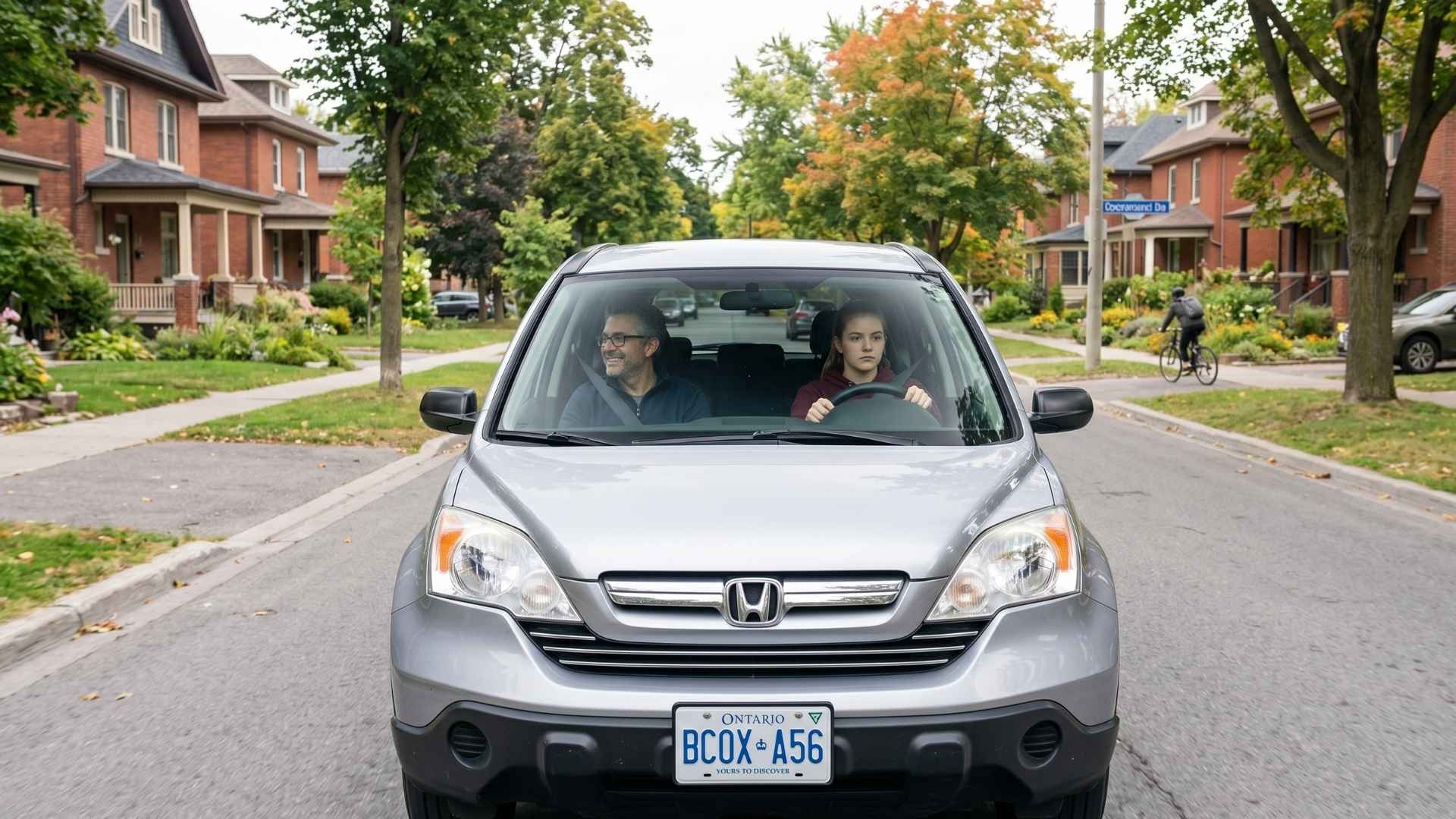
Passenger restrictions in Ontario for new drivers are safety regulations within the Graduated Licensing System (GLS) designed to limit distractions for G1 and G2 permit holders. These rules, including supervisor requirements and nighttime passenger limits, are vital for reducing collision risks among inexperienced drivers while they gain essential on-road experience. Earning a driver’s license is a milestone that comes with heavy responsibilities. In Ontario, the Ministry of Transportation uses a Graduated Licensing System to help novice drivers build skills safely. A key part of this involves passenger restrictions Ontario laws, which keep young drivers focused. According to Transport Canada, young drivers are frequently involved in crashes due to peer distractions. By following these regulations, you protect yourself and others. This guide covers all G1 and G2 license rules in Ontario. Ontario G1 Passenger Rules The G1 license is your first step and has the most requirements. You must always drive with an experienced supervisor who holds a valid Class G license, has four years of experience, and has a blood alcohol level below 0.05 percent. For G1 drivers, this supervisor is the only person allowed in the front. You can have passengers in the back, but only as many as there are working seatbelts. Knowing who can ride with a G1 driver is vital because driving without a qualified supervisor or over-capacity leads to fines and licensing delays. G2 Passenger Restrictions Ontario A G2 license offers more freedom, but specific G2 passenger restrictions Ontario rules apply at night. Drivers aged 19 or younger have limits on passengers under 20 between midnight and 5:00 am. For the first six months, you can carry only one passenger under 20. After six months, you can carry up to three passengers under 20 until you turn 20 or get a full G license. These nighttime passenger restrictions G2 reduce risks from distractions. These limits do not apply if a 4-year licensed driver is in the front or if passengers are immediate family. License Level Passenger Rules Primary Restrictions Penalties G1 License Must have a 4-year supervisor No other front-seat passengers Fines and suspension G2 (First 6 Months) 1 passenger under 20 (night) No alcohol, seatbelts required Points and suspension G2 (After 6 Months) 3 passengers under 20 (night) Zero blood alcohol level Road test delays Full G License No age-based limits Standard traffic laws apply Standard penalties Ontario Graduated Licensing Passenger Limits The Ontario graduated licensing passenger limits provide more freedom as you gain experience. This phased approach is proven to save lives by limiting complex situations for new drivers. Moving from G1 to G2 shifts the focus from supervision to managing solo driving challenges. The goal is the Full G license, showing you have the maturity to drive without these constraints. Even with a G license, ensure every passenger wears a seatbelt. Staying informed helps you plan trips safely and avoid legal issues. Penalties for Breaking Passenger Rules Ignoring these laws has severe effects on your record. Penalties for breaking passenger rules include fines and demerit points. For novice drivers, any violation of graduated licensing conditions results in an automatic 30-day suspension for a first offense. A second offense leads to a 90-day suspension. Suspensions also cause insurance premiums to skyrocket, making it hard to afford a car. It is never worth the risk to squeeze in extra friends or drive late against the rules. Safe Driving Guidelines for New Drivers Following safe driving guidelines for new drivers helps you become a better motorist. Limit your passengers voluntarily even when the law allows more. Extra people increase noise and distraction levels. Ask your passengers to help you stay focused. For example, your co-pilot can handle navigation so your hands stay on the wheel. Building these habits early ensures you are prepared for highway driving and urban traffic. Driving Training & Preparation Professional education is the best way to master these rules. A certified driving school provides a safe environment to learn from experts. We highly recommend booking a session for Road Test Preparation Ottawa through Ottawa Drivers, as their instructors specialize in helping new motorists understand these complex passenger laws. By focusing on defensive driving, you can approach your road test with certainty. Tips to Follow Passenger Rules Easily Staying compliant with passenger restrictions Ontario laws is easy with planning. Check the time before heading out, especially if you have passengers under 20. If an event runs past midnight, arrange for a supervisor with a G license. Be clear with friends about the rules; they should respect your need to keep your license. Keep a Ministry of Transportation handbook in your car to verify rules quickly. For official details, visit the Ontario Ministry of Transportation website for updates. Frequently Asked Questions What are passenger restrictions Ontario for G1 drivers? A G1 driver must have a supervisor with four years of experience and a full G license. Only the supervisor can sit in the front. How many passengers can a G2 driver have at night? G2 drivers aged 19 or younger can have one passenger under 20 for the first six months, then three passengers, between midnight and 5:00 am. Who can sit with a G1 driver? Only a person with a valid G license and four years of experience can sit in the front with a G1 driver. What happens if you break passenger rules in Ontario? Violations result in fines, demerit points, and a 30-day suspension for a first offense. It can also cause insurance rate increases. Do passenger restrictions apply during the day? G1 supervisor rules apply 24/7. G2 age-based passenger limits only apply from midnight to 5:00 am. Final Thoughts Adhering to passenger restrictions Ontario laws builds a foundation for safe driving. These rules exist because experience matters and limiting distractions protects everyone. To guarantee the best results, we suggest trusting the experts at Ottawa Drivers for your Road Test Preparation Ottawa needs. Driving is a privilege that depends on your commitment to safety. Stay focused and enjoy the journey as
- by By Jawad
Teen Driving Lessons Ottawa: What Parents Need to Know
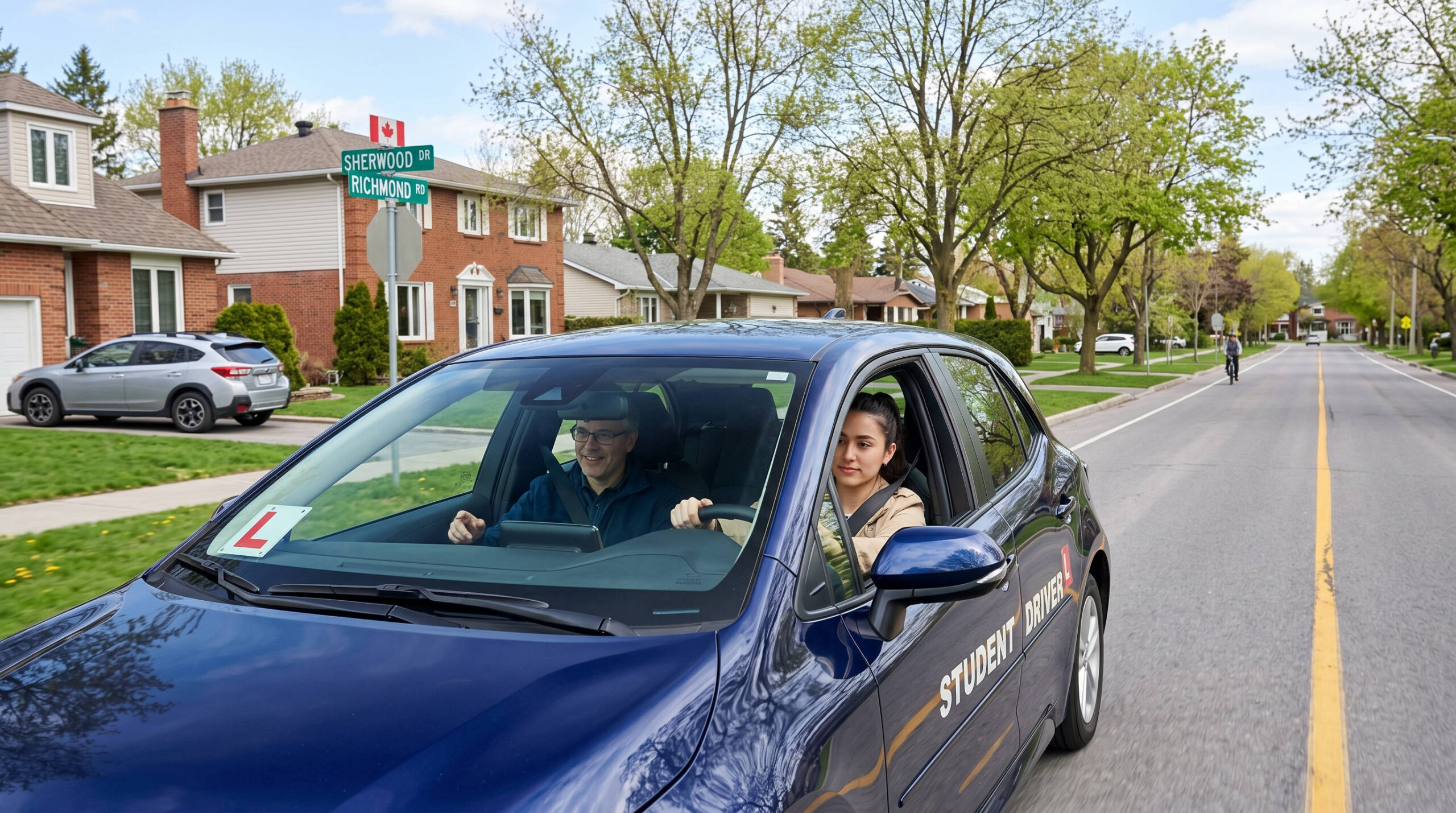
Teens should start driving lessons in Ottawa as soon as they obtain their G1 licence at age 16. Parents should ensure their teen is mentally ready and choose an MTO-approved school. Enrolling in professional training early helps reduce the G1 to G2 waiting period while building essential safety habits for life. Learning to drive is a major milestone for any teenager, but for parents, it can be a period of significant anxiety. Ottawa presents unique challenges for new drivers, ranging from busy downtown traffic to unpredictable winter weather conditions. Navigating this transition requires a blend of professional instruction and consistent parental support. By choosing the high-quality teen driving lessons Ottawa families trust, you provide your child with the skills needed to navigate the city safely and confidently. This guide covers everything from legal requirements to the benefits of structured education. When Should Teens Start Driving Lessons? In Ontario, the journey begins at age 16, the minimum age to apply for a G1 learner’s permit. The most effective approach is to begin training shortly after receiving the G1. This allows the teen to learn correct habits from the start rather than picking up bad habits from non-professional instructors. Understanding the ideal time for when teens should start driving lessons is crucial because it aligns their theoretical knowledge with immediate practical application. Starting early gives your teen more time to practice under various conditions, including rain, snow, and night driving, before their G2 road test. G1 to G2 Training for Teenagers The transition from a learner’s permit to an intermediate licence involves comprehensive G1 to G2 training for teenagers. This process typically includes forty hours of learning: twenty hours of classroom or online theory, ten hours of independent study, and ten hours of professional in-car instruction. This structured format ensures that teens understand the rules of the road and the physics of safe driving. During beginner driver education Ottawa courses, students practice essential maneuvers like parallel parking, three-point turns, and emergency braking in dual-brake vehicles to ensure safety while handling high-traffic areas and highway merging. Benefits of Professional Driving Lessons Professional instructors are trained to stay calm and provide objective feedback, reducing the friction often found in parent-led lessons. Students who graduate from MTO-approved programs are statistically less likely to be involved in collisions during their first years on the road. Stage What Teens Learn Parent Role Outcome G1 Theory Traffic laws and road signs Quiz them on rules Solid knowledge base G1 In-Car Vehicle control and parking Provide supervised practice Basic driving competence Advanced Skills Highway merging and city flow Build confidence on busy roads Road test readiness G2 Licence Independent driving skills Set boundaries and rules Safe, solo driver Parent Guide to Teen Driving Education Your role as a parent is just as important as the instructor. This parent guide to teen driving education emphasizes the need for supervised practice hours outside of formal lessons. The Ministry of Transportation recommends at least fifty hours of practice, including ten hours at night. Act as a calm coach, reinforcing the techniques taught during their teen driver training programs Ottawa sessions. Establish a driving contract outlining expectations regarding passengers, curfews, and zero tolerance for distracted driving. Safe Driving Tips for New Teen Drivers Safety should always be the priority. According to Transport Canada, young drivers are overrepresented in serious accidents due to inexperience. Follow these safe driving tips for new teen drivers: scan the road ahead, put the phone away, adjust speed for weather, and practice defensive driving. Limiting teenage passengers is also vital, as they are a major source of distraction. Common Mistakes Parents Should Avoid Avoid delaying driving education until the last minute, as cramming does not build necessary muscle memory. Do not show overconfidence in a teen’s ability too early; driving mastery takes years. Finally, ensure you are not teaching outdated methods; road rules have changed significantly over the decades. Professional Driving School Support Choosing a certified school ensures a modern education. An MTO-Approved Driving School Ottawa provides the curriculum required to reduce the G1 waiting period and qualify for insurance discounts. For official licensing details, visit Ontario Ministry of Transportation. Frequently Asked Questions When should teens start driving lessons in Ottawa? Teens should ideally start their professional teen driving lessons Ottawa training immediately after obtaining their G1 licence at age 16 to maximize supervised practice time. How many lessons does a teen need before G2? Most students require at least ten hours of professional in-car instruction combined with forty to fifty hours of private practice to be fully prepared. Are professional driving lessons for teens Ottawa programs worth it? Yes, they provide structured learning, reduce insurance costs, and shorten the G1 to G2 waiting period from twelve months to eight months. What is included in beginner driver education Ottawa courses? These courses include twenty hours of theory, ten hours of home study, and ten hours of in-car training focused on defensive driving. Can parents teach driving without a school? While parents can provide practice, only a certified school can provide the certificate required for insurance discounts and a shortened waiting period. Final Thoughts Investing in teen driving lessons Ottawa programs is about ensuring your child’s safety. By combining professional expertise with consistent parental support, you help your teen navigate the road with confidence. Start early, stay involved, and prioritize safety to prepare your teen for the road ahead.
- by By Jawad
G1 G2 Waiting Period: How to Make the Most of Your Practice Time
Ontario’s G1 G2 waiting period is the mandatory time a new driver must hold a G1 licence before becoming eligible to take the G2 road test. The standard waiting period is 12 months, but learners who complete an MTO-approved beginner driver education course can reduce that timeline to just 8 months. This window is not dead time. It is your best opportunity to build real driving confidence and arrive prepared on test day. Understanding Ontario’s Graduated Licensing System Ontario uses a graduated licensing system that moves new drivers through two stages before they earn a full G licence. When you pass the written knowledge test, you receive a G1 licence that allows you to drive only with a fully licensed driver who has at least four years of driving experience. During this stage, you must follow certain restrictions, including zero blood alcohol level and no driving on 400-series highways unless accompanied by a licensed instructor. The Ontario graduated licensing wait time exists to ensure that every new driver gains meaningful, supervised experience before taking on the full responsibility of independent driving. Rushing this stage or treating it as a formality puts you at a disadvantage when conditions get challenging. How Long Is the G1 to G2 Waiting Period? The standard waiting period between G1 and G2 in Ontario is 12 months. However, completing a certified Beginner Driver Education (BDE) course brings that period down to 8 months. According to the Ontario Ministry of Transportation, new drivers who complete an approved BDE program are involved in significantly fewer collisions compared to untrained peers, which is why the province rewards formal training with an earlier test eligibility date. Scenario Waiting Time Requirements Advantage Without driving course 12 months Hold valid G1 Standard path With MTO-approved BDE course 8 months Complete certified course Earlier G2 test eligibility + insurance discount With BDE + strong practice record 8 months Course + supervised hours Test-ready with real confidence Driving Practice Between G1 and G2 One of the most common questions new drivers ask is: how many hours do I need to practice before G2? The Ministry does not mandate a specific number of practice hours, but the beginner driver experience requirements strongly imply that consistent, varied practice is the difference between passing and failing your road test. Your practice should cover a mix of road types. Begin in quiet residential neighborhoods to build basic vehicle control, then gradually move to busier urban streets, intersections with traffic lights, and eventually suburban arterial roads. When you feel ready, start practicing on the highway to get comfortable with merging, lane changes, and higher speeds. Spread your hours across different times of day and different traffic conditions so no driving scenario catches you off guard on test day. Practice Tips During G1 Stage Making the most of your waiting period comes down to being intentional with every session. Here are the key practice strategies that prepare you for your G2 road test: Practice in different weather conditions. Rain, snow, and low-visibility mornings are part of Ottawa driving. Never skip a session just because conditions are imperfect. Get night driving experience. Many new drivers are confident in daylight but nervous after dark. Build this comfort early. Focus on parking. Parallel parking, three-point turns, and backing into spaces are tested on the G2 exam. Repeat them until they feel automatic. Practice smooth braking and acceleration. Examiners specifically note abrupt stops and jerky starts as negative scoring factors. Mirror and blind spot checks. Make checking your mirrors a habit before every lane change and turn. This is one of the most penalized areas during the G2 road test. How to Reduce the G1 Waiting Period Enrolling in an MTO-approved driving school is the only official way of reducing G1 waiting period with a driving course. The 8-month path requires completing the full BDE program, which includes in-class or online theory and a minimum of 10 hours of in-car training with a certified instructor. Beyond the shorter wait, the benefits extend to lower insurance premiums and a much stronger practical foundation before you sit your test. Choosing a driving school that offers structured lesson plans and test-route familiarity in Ottawa gives you an even greater advantage. Local instructors know which routes DriveTest centres in Ottawa commonly use, and targeted practice on those specific roads can directly improve your pass rate. Preparing for Your G2 Road Test When your eligibility date arrives, you should already feel confident rather than cramming. The G2 road test evaluates your ability to handle everyday driving scenarios safely and smoothly. Common areas where candidates lose marks include failing to come to a complete stop at stop signs, improper mirror checks, and hesitation during left turns at busy intersections. Mock tests with your instructor in the weeks before your exam are one of the most effective preparation tools. Pair that with Road Test Preparation Ottawa support, including familiarizing yourself with the test area and using a school vehicle on exam day to eliminate unfamiliar car variables. Frequently Asked Questions About G1 G2 Waiting Period How long is the G1 G2 waiting period in Ontario? The standard G1 G2 waiting period is 12 months. If you complete an MTO-approved BDE course, this is reduced to 8 months. Can I reduce the waiting period without a driving course? No. Reducing the waiting period is only possible by completing a certified Beginner Driver Education program approved by the Ministry of Transportation Ontario. How many practice hours do I need before G2? Ontario does not mandate a fixed number of hours, but consistent practice across different road types, times of day, and weather conditions is strongly recommended to build the skills examiners expect. What should I focus on during the G1 stage? Prioritize mirror habits, smooth vehicle control, intersection safety, reversing, and parking. These are the skills most directly tested during the G2 road test and the most commonly lost points among new drivers. Is driving school necessary to pass G2? It is

- by By Jawad
The Ultimate 2026 Guide to Remote Driver Training Ottawa
Remote driver training in Ottawa is a modernized approach to driver education that allows students to complete their mandatory beginner driver education theory lessons through digital platforms. This method helps learners complete driving education from home by providing flexible, self-paced modules that cover essential road rules, safety protocols, and traffic signs before beginning their practical in-car sessions. The landscape of driver education has shifted dramatically over the last few years. Today, Remote Driver Training Ottawa has become the preferred choice for students and busy professionals alike. This digital first approach ensures that you can master the complexities of the Ontario Highway Traffic Act without having to commute to a physical classroom. As online driver training Ottawa programs continue to evolve, they offer a more interactive and engaging way to prepare for your G2 and G licenses. The growth of Virtual Driving Lessons Ottawa and virtual driving lessons Ontario wide reflects a broader trend toward digital accessibility. In a city as spread out as Ottawa, being able to learn driving theory from home saves significant time and money. Whether you are living in Kanata, Orleans, or the downtown core, remote driving school programs Ottawa based services provide the same high quality instruction as traditional schools but with the added benefit of technological integration and convenience. Choosing the right path for your driving journey is crucial. Remote driver education is officially recognized and often integrated directly with local driving schools to provide a seamless transition from the screen to the driver seat. This guide explores everything you need to know about starting your remote learning experience in the capital region during 2026. Benefits of Remote Driver Education There are numerous advantages to choosing flexible driver training options Ottawa residents now have at their fingertips. The primary benefit is the ability to learn at your own pace. Traditional classroom settings often force students to follow a rigid schedule that may not align with school or work commitments. With remote systems, you can log in whenever you are most focused, whether that is early in the morning or late at night. Cost savings also play a major role. By removing the need for physical infrastructure and printed materials, many schools can offer more competitive pricing for their online modules. Furthermore, you save on transportation costs and time spent traveling to a physical location. Benefits of remote driver education extend to better retention of information, as many digital platforms use quizzes and interactive videos that keep learners engaged more effectively than a standard lecture. Course Structure and Learning Process A standard remote course is divided into structured modules that cover a wide range of topics. You will start with the basics of vehicle components and gradually move toward complex scenarios like defensive driving and emergency maneuvers. MTO-approved online driving courses are designed to meet strict provincial standards, ensuring you receive the same level of education as any in-person student. The learning process typically includes G1 theory lessons online that prepare you for the written test and beyond. These lessons are not just about memorizing signs; they are about understanding the “why” behind traffic laws. Integration with in-car lessons is the final piece of the puzzle. Once you complete your remote theory, your school will pair you with a local instructor to apply what you have learned on the actual roads of Ottawa. Cost of Remote Driving Lessons Ottawa When researching the cost of remote driving lessons Ottawa families often find a range of packages. Generally, a full Beginner Driver Education (BDE) program that includes both the online theory and the 10 hours of in-car training ranges from $600 to $900. Factors affecting cost include the experience level of the instructors, the type of vehicle used for road portions, and whether the package includes road test support or car rentals for the exam. Program Type Key Features Cost Range Best For Full BDE Course Remote theory + 10h in-car $600 – $900 First-time learners Theory Only MTO-approved online modules $150 – $300 G1 prep or refreshers Hybrid Package Online prep + private lessons $450 – $750 Confident beginners Fast Track Accelerated remote modules $700 – $950 Those on a tight deadline Education Success Statistics Recent data in the education sector highlights the efficacy of digital learning. According to a 2025 study on Canadian vocational training, students utilizing interactive online modules showed a 15% higher retention rate compared to those in traditional classroom environments. This statistic underscores why the Ministry of Transportation continues to support digital innovations in driver training, helping thousands of Ottawa residents become safer drivers every year. Remote vs Traditional Driving Training Comparing the two methods reveals a clear winner for the modern student. Traditional training offers face to face interaction but lacks the flexibility that defines today’s lifestyle. In contrast, Remote Driver Training Ottawa provides the same curriculum with much higher convenience. While traditional schools might only offer classes on weekends, remote programs are open 24/7. Learning effectiveness has proven to be comparable, with remote students often performing better on written exams due to the ability to revisit difficult topics instantly. Who Should Choose Remote Driver Training? This format is ideal for several groups. Students who are juggling high school or university courses often find the self-paced nature of online learning a life saver. Similarly, working professionals in Ottawa who cannot commit to fixed evening classes benefit from the 24/7 accessibility. Even for people who feel anxious in a group setting, the privacy of learning driver theory from home can provide a much more comfortable and productive environment. Common Mistakes to Avoid One of the biggest mistakes is choosing non-approved programs. Always ensure your school is on the official list of MTO-approved providers to ensure your certification counts toward an insurance discount and a shorter waiting period for your G2 test. Another error is skipping the practice tests. These tools are built into most Remote Driver Training Ottawa platforms to simulate the official exam environment. Finally, never treat the online portion as a
- by By Jawad
Highway Driving Lessons in Ottawa: 5 Rules for Merging on the 417 in 2026
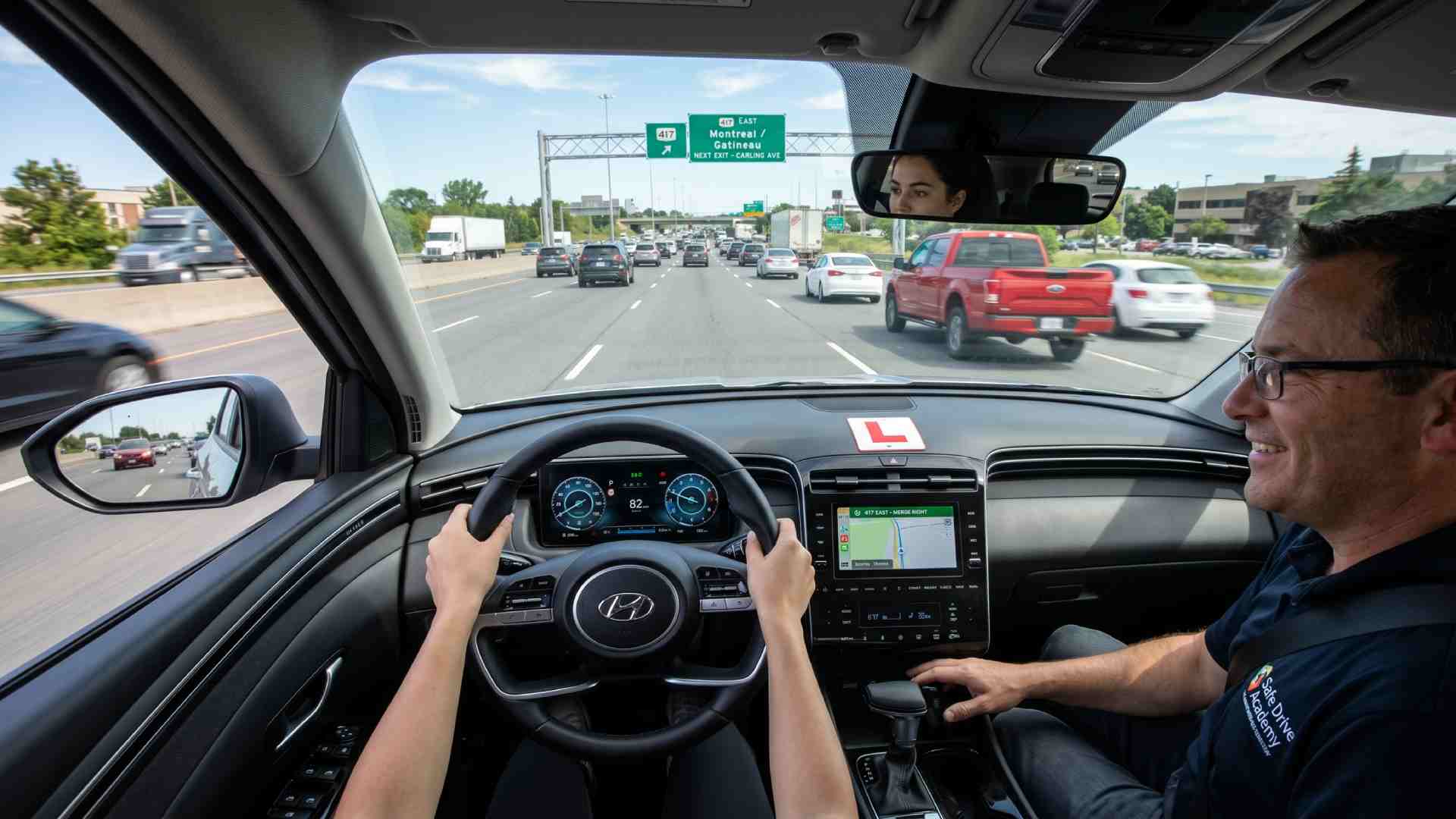
Merging safely on Highway 417 requires matching traffic speed and utilizing the full acceleration lane before sliding into a gap. Highway Driving Lessons in Ottawa help you master these skills by providing supervised practice in real-world traffic, building the confidence needed to handle high-speed lane changes and busy Ottawa interchanges safely. The Importance of Mastering Ottawa’s Highways Navigating the Queensway or the 416 can be a daunting experience. Highway Driving Lessons in Ottawa are designed to bridge the gap between suburban street driving and high-speed expressway navigation. These lessons focus on high-level perception and quick decision-making. By enrolling in professional Ottawa highway driving training, you transition from a hesitant learner to a confident operator who understands the unique rhythm of the capital region’s roads. Understanding the Queensway The Ontario Highway 417, commonly known as the Queensway, is the backbone of Ottawa’s transportation network and presents unique challenges. High-Speed Entry Points Ottawa’s highway system features diverse entry ramps. Highway driving for beginners involves learning how to evaluate these ramps quickly and adjusting your acceleration to match specific interchange geometry. The Psychology of Fast Traffic The primary hurdle for many novices is the speed of highway traffic. On the 417, traffic often moves at 100km/h or more. Professional training ensures you learn to accelerate decisively, matching the flow of traffic before making your move. 5 Crucial Rules for Merging on Highway 417 Step 1: Speed Matching Reach the same speed as vehicles on the highway before reaching the end of the ramp. This minimizes disruption to traffic flow and makes it easier for other drivers to accommodate you. Advanced driving lessons Ottawa instructors emphasize that merging too slow is a major risk. Step 2: Lane Utilization Use the entire length of the acceleration lane if necessary. Never stop or slow down significantly in this lane unless traffic is at a complete standstill. Advanced driving lessons Ottawa help you find the “sweet spot” where you have maximum visibility. Step 3: Visual Awareness Mirrors alone are never enough. A quick, decisive shoulder check is mandatory to ensure there is no vehicle in your rear-quarter view. This is especially critical on the 417 where motorcycles and small cars can be easily overlooked. Step 4: Communication Activate your signal as soon as you enter the acceleration lane to tell other drivers where you intend to go. Merging onto highway tips Ottawa specialists provide always highlight early communication as a key safety factor. Step 5: Gap Management Once merged, do not crowd the car in front. Safe speed and distance on highways dictate at least a three-second gap to allow for emergency maneuvers and reduce high-speed stress. Merging Mastery Reference Table Rule What to Do Common Mistake Pro Tip Speed Match Accelerate to 100 km/h Merging at 70 km/h Check traffic speed while on ramp curves Lane Usage Use full merge lane Cutting over early Stay in lane until matching highway speed Observations 360-degree awareness Only using mirrors Check the “blind zone” with a head turn Signaling Signal for 3–5 seconds Signaling as you turn Keep signal on until fully in the lane Distance Keep 3+ seconds space Tailgating to force entry If gap is slow, find the next one Advanced Safety Maneuvers Lane Changing Precision Proper lane changing rules on highways require ensuring the gap you are moving into is growing or stable. Professional Ottawa highway driving training teaches you how to keep your hands steady while your eyes move, preventing “drifting” during shoulder checks. Maintaining Space Buffers In heavy traffic, maintaining a safe speed and distance on highways is essential. You must learn to anticipate the “accordion effect” where traffic slows abruptly and avoid blind spots of large vehicles. Common Mistakes to Avoid According to Transport Canada, improper lane changes and merging contribute to nearly 20% of high-speed road incidents in Canada. Frequent errors include heshesitating during merging, driving too slow for conditions, or “camping” in the left lane, which disrupts flow. Professional Highway Driving Lessons in Ottawa address these habits early. The Vital Role of Professional Driving Lessons Training benefits include having a dual-brake vehicle for emergencies and an instructor who remains calm. Practice under supervision allows you to tackle difficult ramps in Ottawa with a safety net. For those looking to excel, combining these sessions with Road Test Preparation Ottawa ensures you are ready for your G test. You can also consult the Official MTO Drivers Handbook for latest regulations. Frequently Asked Questions About Highway Driving Lessons in Ottawa Is highway driving included in Highway Driving Lessons in Ottawa? Yes, highway training is a core component. Instructors focus on high-speed entry, exit, and lane-management specifically tailored for the Ottawa queensway. How do I merge safely? Match highway traffic speed. Signal early, check blind spots, and move into a safe gap decisively. What speed should I maintain while merging? Aim to match the speed of traffic in the right lane, typically 100km/h on the 417. Are highway driving lessons necessary for beginners? Highly recommended. Professional guidance helps build correct habits and eliminate fear. How can I overcome my fear of highway driving? Exposure and education. Practicing with an instructor replaces anxiety with competence. Final Thoughts Mastering highway driving is a significant milestone. By following these rules and focusing on safe speed and distance on highways, you protect yourself and others. Confidence comes from competence and practice. The skills learned in Highway Driving Lessons in Ottawa will serve you for a lifetime of safe driving.

- by By Jawad
The Complete Virtual Driving Courses Ottawa Guide (2026 Edition)
Virtual driving courses in Ottawa are comprehensive online programs designed to help learner drivers master road theory, traffic laws, and safety protocols from home. These courses prepare students for their G1 knowledge test and provide the foundational expertise required for successful in-car training, offering a flexible and MTO-approved path toward licensing. The Evolution of Digital Driver Education Driver education has shifted, and Virtual Driving Courses Ottawa represent a modern solution to traditional scheduling challenges. Online driving courses Ottawa have seen a surge in popularity because they leverage technology to make learning more interactive and accessible. Today, virtual driver education Ontario programs incorporate videos and simulations once restricted to physical classrooms. This growth in Ottawa digital driving school programs means students can access education that fits their lifestyles, leading to better focus and retention. Essential Benefits of Online Driving Lessons Choosing a virtual approach offers distinct advantages over traditional classrooms. The primary benefit of online driving lessons is the unparalleled flexibility they offer. Instead of sacrificing weekends for crowded rooms, you can study whenever your schedule allows. Flexible driver education programs prioritize learner convenience without compromising depth. By removing fixed lecture pressure, students are often more relaxed and better able to absorb critical safety information. Flexible Learning Schedule: Log in at any time to complete a module, ideal for those balancing school or work. Self-Paced Study: Virtual courses allow you to re-watch complex sections or skip ahead once a concept is mastered. Cost-Effectiveness: Schools save on overhead, and these savings are passed to you. The cost of virtual driving courses Ottawa is typically lower than in-person alternatives. Accessibility: Eliminating the commute saves time and money, making education accessible regardless of your location. Internal Curriculum: What You Will Learn MTO-approved online driving courses must meet strict provincial standards. The curriculum covers everything from vehicle control to defensive driving. Most Ottawa digital driving school programs include modules on road rules and traffic signs, where you explore Ontario traffic laws and safe stopping distances. These programs feature G1 theory classes online Ottawa that guide you through the Official MTO Driver’s Handbook. To ensure readiness, courses incorporate practice quizzes and mock tests. Furthermore, virtual components integrate with in-car lessons, so the theory applies directly behind the wheel. The Online BDE Course Ottawa is a prime example of how digital theory builds confident drivers. Virtual vs In-Person Driving Courses Feature Virtual Driving Courses In-Person Classrooms Flexibility High (24/7 access) Fixed schedules Learning Pace User-controlled Instructor-led Cost Range $600 to $900 Usually higher Best For Busy students/pros Social learners Cost of Virtual Driving Courses Ottawa The cost of virtual driving courses Ottawa varies based on the level of service. Most students opt for a Beginner Driver Education (BDE) program. These packages typically include 20 hours of online learning, 10 hours of homework, and 10 hours of in-car training. You can expect to pay anywhere from $650 to $950 for a full MTO-approved package. This investment in safety often leads to lower insurance premiums for new drivers. Who Should Choose Virtual Driving Courses? Virtual learning is well-suited for high school or university students who prefer digital formats. Similarly, working professionals find that completing G1 theory online during breaks is the only way to fit education into a busy career. Beginners who feel anxious in group settings also benefit from the low-stress environment of learning from home. If you value autonomy and have the discipline to work independently, the virtual path is your best option. Common Mistakes to Avoid A critical mistake is choosing a non-approved course. If the program is not Ministry-approved, you will not receive the insurance discount or the waiting period reduction. Additionally, do not skip practice tests. Completing a G1 Practice Test Ottawa through simulation is the only way to be certain you are ready. Lastly, remember that online training does not replace practical experience. You must combine digital learning with quality in-car instruction. For official licensing details, visit the Ontario Ministry of Transportation website. Frequently Asked Questions About Virtual Driving Courses Ottawa Are virtual driving courses in Ottawa approved by MTO? Yes, many programs are fully MTO-approved. Completing an approved BDE program online is recognized by the ministry and the insurance industry. Can I complete my G1 theory online? Yes. G1 theory classes online Ottawa allow you to study the handbook and take practice tests. However, the official knowledge test must be taken in person at a DriveTest centre. How much do online driving courses cost in Ottawa? The cost of virtual driving courses Ottawa ranges between $600 and $950 for a full package, including theory and in-car hours. Are virtual courses as effective as in-person classes? For most, they are equally effective. The ability to study at your own pace often leads to deeper understanding compared to a one-time lecture. Do I still need in-car lessons after online training? Yes. Driving is a physical skill that requires practice. You must complete the in-car component with a certified instructor to qualify for licensing benefits. Final Thoughts Choosing Virtual Driving Courses Ottawa is a smart, modern approach to obtaining your license. The combination of flexible schedules and high-quality digital curriculum makes it easier to become a safe driver. By selecting an MTO-approved program, you set yourself up for a lifetime of confident roads. Success comes from selecting certified programs that prioritize accessibility and proper preparation.