
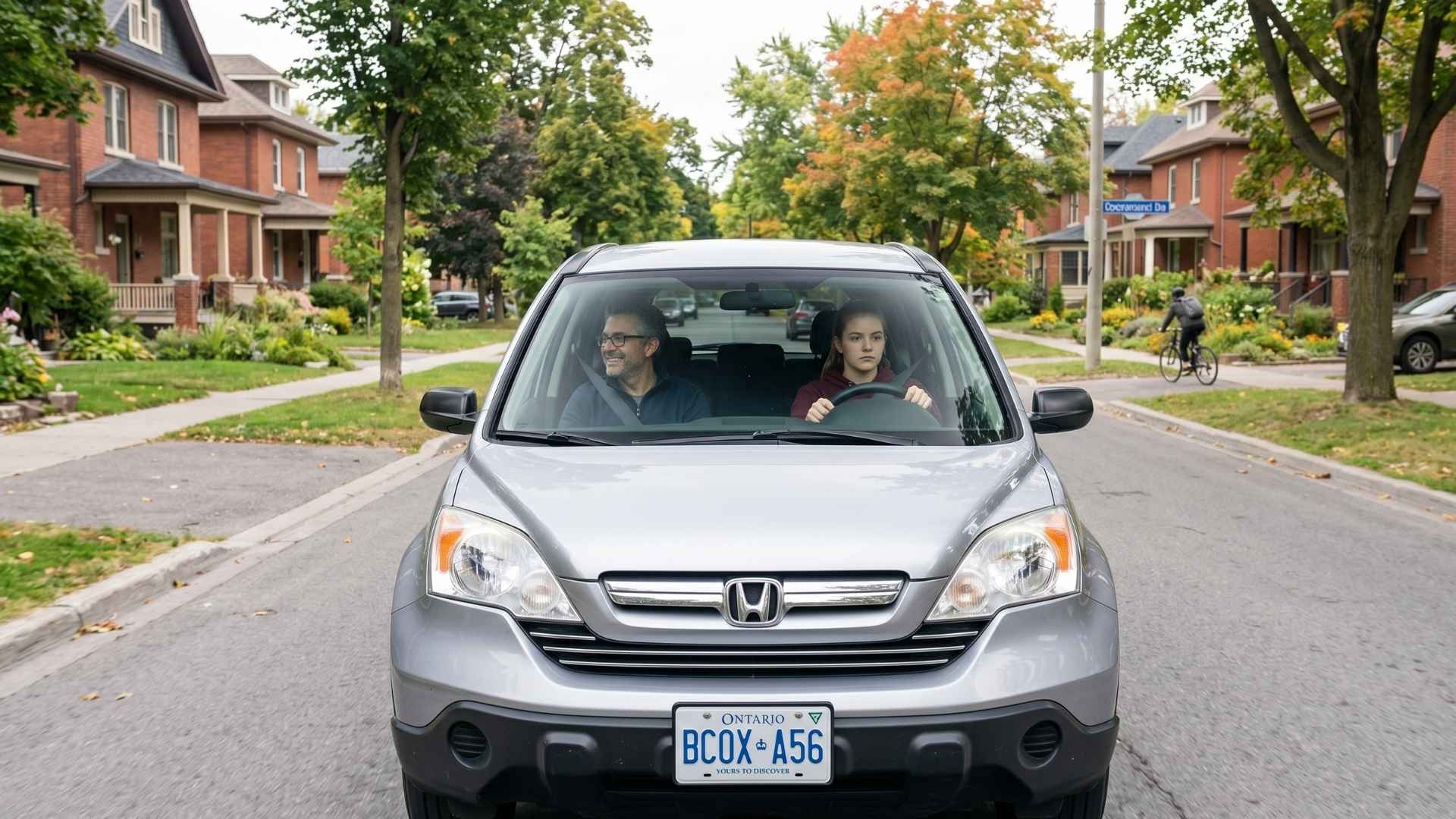
Teen Driving Lessons Ottawa: What Parents Need to Know
Teens should start driving lessons in Ottawa as soon as they obtain their G1 licence at age 16. Parents should ensure their teen is mentally ready and choose an MTO-approved school. Enrolling in professional training early helps reduce the G1 to G2 waiting period while building essential safety habits for life.
Learning to drive is a major milestone for any teenager, but for parents, it can be a period of significant anxiety. Ottawa presents unique challenges for new drivers, ranging from busy downtown traffic to unpredictable winter weather conditions. Navigating this transition requires a blend of professional instruction and consistent parental support. By choosing the high-quality teen driving lessons Ottawa families trust, you provide your child with the skills needed to navigate the city safely and confidently. This guide covers everything from legal requirements to the benefits of structured education.
When Should Teens Start Driving Lessons?
In Ontario, the journey begins at age 16, the minimum age to apply for a G1 learner’s permit. The most effective approach is to begin training shortly after receiving the G1. This allows the teen to learn correct habits from the start rather than picking up bad habits from non-professional instructors. Understanding the ideal time for when teens should start driving lessons is crucial because it aligns their theoretical knowledge with immediate practical application. Starting early gives your teen more time to practice under various conditions, including rain, snow, and night driving, before their G2 road test.
G1 to G2 Training for Teenagers
The transition from a learner’s permit to an intermediate licence involves comprehensive G1 to G2 training for teenagers. This process typically includes forty hours of learning: twenty hours of classroom or online theory, ten hours of independent study, and ten hours of professional in-car instruction. This structured format ensures that teens understand the rules of the road and the physics of safe driving. During beginner driver education Ottawa courses, students practice essential maneuvers like parallel parking, three-point turns, and emergency braking in dual-brake vehicles to ensure safety while handling high-traffic areas and highway merging.
Benefits of Professional Driving Lessons
Professional instructors are trained to stay calm and provide objective feedback, reducing the friction often found in parent-led lessons. Students who graduate from MTO-approved programs are statistically less likely to be involved in collisions during their first years on the road.
| Stage | What Teens Learn | Parent Role | Outcome |
| G1 Theory | Traffic laws and road signs | Quiz them on rules | Solid knowledge base |
| G1 In-Car | Vehicle control and parking | Provide supervised practice | Basic driving competence |
| Advanced Skills | Highway merging and city flow | Build confidence on busy roads | Road test readiness |
| G2 Licence | Independent driving skills | Set boundaries and rules | Safe, solo driver |
Parent Guide to Teen Driving Education
Your role as a parent is just as important as the instructor. This parent guide to teen driving education emphasizes the need for supervised practice hours outside of formal lessons. The Ministry of Transportation recommends at least fifty hours of practice, including ten hours at night. Act as a calm coach, reinforcing the techniques taught during their teen driver training programs Ottawa sessions. Establish a driving contract outlining expectations regarding passengers, curfews, and zero tolerance for distracted driving.
Safe Driving Tips for New Teen Drivers
Safety should always be the priority. According to Transport Canada, young drivers are overrepresented in serious accidents due to inexperience. Follow these safe driving tips for new teen drivers: scan the road ahead, put the phone away, adjust speed for weather, and practice defensive driving. Limiting teenage passengers is also vital, as they are a major source of distraction.
Common Mistakes Parents Should Avoid
Avoid delaying driving education until the last minute, as cramming does not build necessary muscle memory. Do not show overconfidence in a teen’s ability too early; driving mastery takes years. Finally, ensure you are not teaching outdated methods; road rules have changed significantly over the decades.
Professional Driving School Support
Choosing a certified school ensures a modern education. An MTO-Approved Driving School Ottawa provides the curriculum required to reduce the G1 waiting period and qualify for insurance discounts. For official licensing details, visit Ontario Ministry of Transportation.
Frequently Asked Questions
When should teens start driving lessons in Ottawa?
Teens should ideally start their professional teen driving lessons Ottawa training immediately after obtaining their G1 licence at age 16 to maximize supervised practice time.
How many lessons does a teen need before G2?
Most students require at least ten hours of professional in-car instruction combined with forty to fifty hours of private practice to be fully prepared.
Are professional driving lessons for teens Ottawa programs worth it?
Yes, they provide structured learning, reduce insurance costs, and shorten the G1 to G2 waiting period from twelve months to eight months.
What is included in beginner driver education Ottawa courses?
These courses include twenty hours of theory, ten hours of home study, and ten hours of in-car training focused on defensive driving.
Can parents teach driving without a school?
While parents can provide practice, only a certified school can provide the certificate required for insurance discounts and a shortened waiting period.
Final Thoughts
Investing in teen driving lessons Ottawa programs is about ensuring your child’s safety. By combining professional expertise with consistent parental support, you help your teen navigate the road with confidence. Start early, stay involved, and prioritize safety to prepare your teen for the road ahead.
