
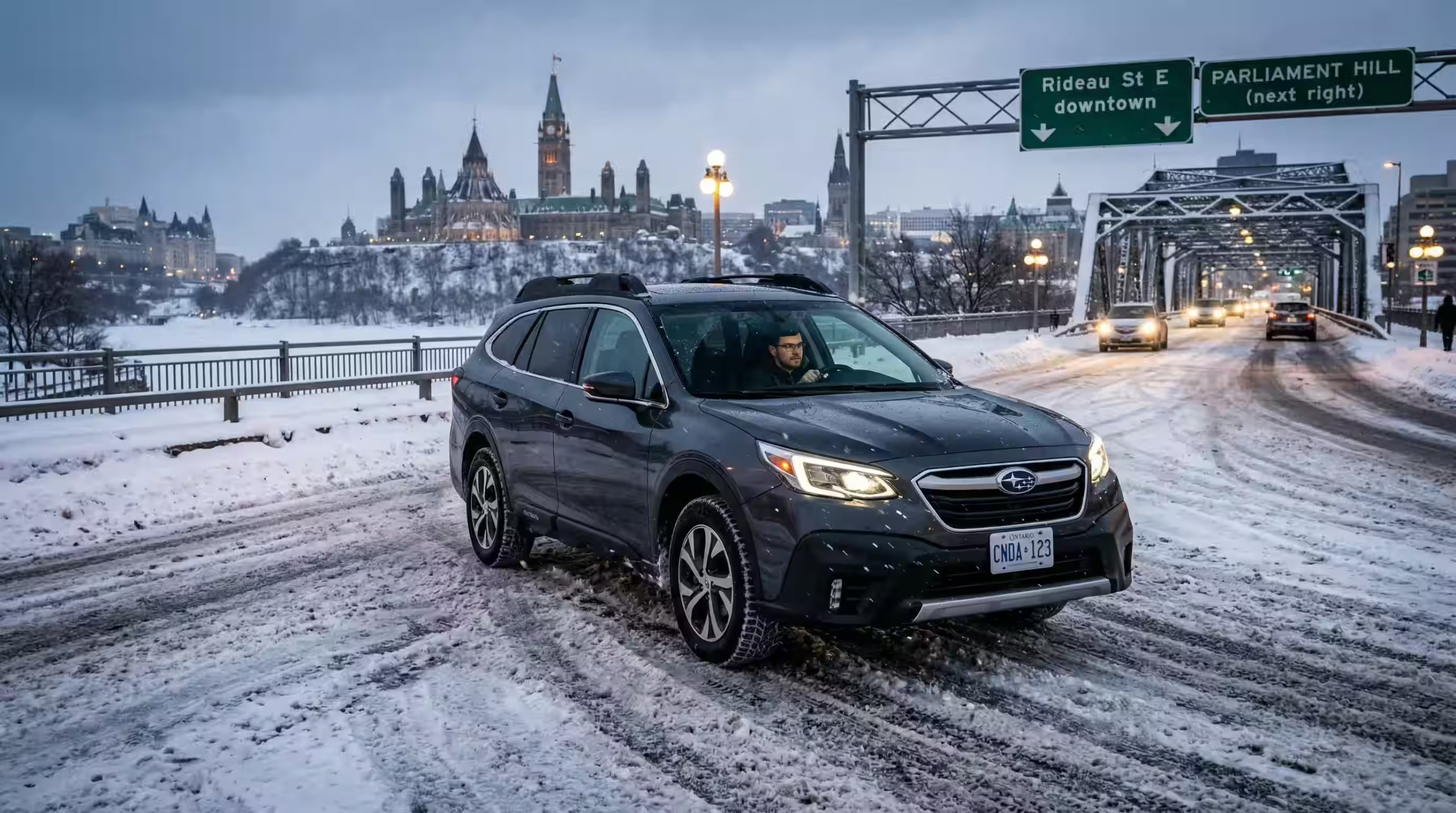
How to Stay Safe on Ottawa Roads This Winter
Safe winter driving in Ottawa starts with three things: a properly prepared vehicle, adjusted driving habits, and knowledge of local road conditions. Ottawa winters consistently bring heavy snowfall, black ice, and freezing temperatures that make every commute a challenge, but with the right winter driving tips Ottawa drivers can stay confident and in control no matter what the season throws at them.
This guide covers everything you need: pre-trip vehicle checks, proven driving strategies, Ottawa-specific hazards, and an emergency kit checklist. Whether you’re a new driver or a seasoned commuter, these steps will help you arrive safely all winter long.
How Ottawa Winter Weather Affects Your Drive
Ottawa is one of Canada’s snowiest capital cities, averaging over 235 cm of snowfall per year. Freezing rain, black ice, and drifting snow are common between November and March. Roads on bridges, overpasses, and shaded sections freeze first and thaw last, creating hidden hazards even when main roads look clear.
According to Transport Canada, winter road conditions are a contributing factor in thousands of collisions across Ontario every year. Adjusting your approach before and during every drive is the most effective way to protect yourself and others. For a full breakdown of safe winter driving practices recognized nationally, visit Transport Canada’s winter driving guide.
Preparing Your Vehicle for Ottawa Winters
Getting your car winter-ready is the foundation of safe winter driving Ottawa style. Before the cold sets in, complete these checks:
- Winter tires: Switch to winter tires when temperatures drop below 7°C. All-season tires lose grip on cold pavement and ice.
- Battery: Cold weather reduces battery capacity by up to 50%. Have it tested if it’s more than three years old.
- Fluids: Top up antifreeze, use winter-rated windshield washer fluid, and check your oil viscosity for cold weather.
- Lights: Short days and heavy snowfall reduce visibility. Ensure headlights, taillights, and brake lights all work.
- Wipers: Replace worn blades with winter-rated wipers designed to clear ice and heavy snow.
Completing this winter car preparation checklist before the first snowfall saves you from scrambling during a storm.
Essential Winter Driving Tips Ottawa Drivers Use Daily
Snow and Ice Driving Tips for Every Commute
Once you’re on the road, your driving behaviour matters more than anything else. These snow and ice driving tips apply every time you head out:
- Slow down significantly: Speed limits are set for dry conditions. Reduce your speed by 30 to 50% on snow-covered or icy roads.
- Increase following distance: Allow at least 6 to 8 seconds of gap between you and the vehicle ahead, which is triple the dry-road standard.
- Accelerate and brake gradually: Sudden inputs cause wheelspin and skidding. Ease on and off the pedals smoothly.
- Steer into skids: If your vehicle slides, turn your wheels in the direction of the skid to regain control.
- Avoid cruise control: Never use it on slippery surfaces, as you need full manual control at all times.
| Tip | Description | Benefit | Recommended For |
| Slow down | Reduce speed by 30–50% | Shorter stopping distance | All drivers |
| Increase following distance | Aim for 6–8 seconds of gap | More reaction time | All drivers |
| Winter tires | Install below 7°C | Improved grip on ice and snow | All vehicles |
| Smooth braking | Apply brakes gently and early | Prevents skidding | New and experienced drivers |
| Emergency kit | Keep in car all winter | Preparedness if stranded | All drivers |
Ottawa Winter Road Safety Tips by Area
Driving in snowy conditions in Ottawa requires knowing local hotspots. The Queensway (Highway 417) becomes especially hazardous during blizzards. Rideau Street and Bank Street hills require extra caution when icy. Bridges over the Ottawa and Rideau rivers freeze faster than surrounding roads, so always reduce speed when approaching them.
Cold Weather Driving Safety: Emergency Kit Essentials
Even experienced drivers get caught in unexpected situations. Cold weather driving safety means being prepared if your car breaks down or you get stuck:
- Ice scraper and snow brush
- Small collapsible shovel
- Jumper cables or a portable jump starter
- Sand or kitty litter for traction under tires
- Warm blankets and extra gloves
- Flashlight with spare batteries
- Bottled water and high-energy snacks
- Fully charged portable phone charger
Practicing safe winter driving Ottawa means being ready for the worst, not just hoping for the best.
Frequently Asked Questions About Winter Driving Tips Ottawa
What is the safest way to drive on black ice in Ottawa?
Stay calm, do not brake suddenly, and ease off the accelerator. Steer gently and allow the car to slow naturally. Black ice forms most often on bridges, shaded roads, and overpasses during freeze-thaw cycles, so approach these areas at reduced speed.
How do I prepare my car for Ottawa winters?
Install winter tires before temperatures drop below 7°C, test your battery, switch to winter-grade fluids, and replace worn wiper blades. These are the core steps every Ottawa driver should complete each fall.
Should I use winter tires year-round?
No. Winter tires wear quickly in warm weather and reduce fuel efficiency. Install them in November and remove them in April when temperatures consistently rise above 7°C.
How can beginners practice safe winter driving?
Start with empty parking lots to practice braking and turning on snow. Take professional lessons with a certified Driving School Ottawa to build confidence in controlled winter conditions before facing busy Ottawa roads.
What should I keep in my winter car emergency kit?
Include a blanket, ice scraper, shovel, jumper cables, sand for traction, a flashlight, water, snacks, and a phone charger. These essentials support cold weather driving safety if you get stranded.
Final Thoughts
Winter in Ottawa is unavoidable but accidents and breakdowns don’t have to be. By applying these winter driving tips Ottawa drivers trust, preparing your vehicle thoroughly, and adjusting your habits the moment temperatures drop, you can commute safely through even the harshest months. Combine vehicle readiness, Ottawa-specific road knowledge, and smart driving habits, and pair that with proper training from a certified Driving School Ottawa to make every winter drive a confident one.
